Summary
Social isolation and loneliness can significantly impact the health and happiness of older adults, but meaningful connections help combat these challenges. Discover how recognizing the signs of loneliness and taking intentional steps toward building friendships can transform quality of life.
- Social isolation affects far more than emotional wellbeing—prolonged loneliness is associated with increased stress, reduced mental stimulation, cognitive decline, and diminished sense of purpose
- Signs of loneliness often appear gradually, including declining social invitations, reduced interest in hobbies, changes in personal grooming, and shorter conversations
- Quality friendships matter more than quantity; a few genuine connections provide greater impact than a large social circle
- Community living environments naturally encourage social wellness through shared meals, group programs, and everyday interactions that develop into lasting friendships
- Taking small, intentional steps—like attending one new event weekly or joining hobby groups—makes building new connections feel manageable and genuine
Feeling connected to other people plays an important role in overall wellbeing at every stage of life. As we grow older, though, retirement, the loss of a spouse, health changes, or moving away from longtime neighbors can make it harder to maintain those everyday interactions that once came naturally.
The good news is that loneliness doesn't have to be a permanent part of aging. By recognizing the signs of social isolation and loneliness in older adults and taking small, intentional steps toward connection, it's possible to build meaningful relationships and enjoy a more fulfilling lifestyle.
The Hidden Health Risks of Social Isolation
Social isolation affects much more than emotional wellbeing. Studies continue to show that prolonged loneliness can influence physical health in significant ways, making it an important topic for older adults and their families to understand.
When people have limited social interaction, they may experience increased stress, reduced mental stimulation, and changes that affect overall wellness. Over time, prolonged isolation has also been associated with cognitive decline and a reduced sense of purpose. While everyone needs quiet time occasionally, consistent social connection helps people stay engaged with the world around them.
It's also worth remembering that living alone doesn't automatically mean someone feels lonely. Many people maintain rich friendships and active social lives while living independently. At the same time, someone surrounded by people can still experience loneliness if they lack meaningful relationships. Understanding this difference makes it easier to recognize when additional connection could improve quality of life.
Recognizing the Signs of Loneliness
The signs of loneliness often appear gradually rather than all at once. A loved one who once enjoyed meeting friends for lunch or participating in community events may slowly begin declining invitations or spending more time alone. Hobbies they once loved may no longer seem interesting, and conversations may become shorter or less enthusiastic.
Some common signs include:
- Turning down social invitations or talking less about friends
- Changes in daily routines, household upkeep, or personal grooming
- Less interest in hobbies, outings, or favorite pastimes
Many older adults also become very good at hiding feelings of loneliness during family visits. Asking thoughtful questions about their week, recent experiences, or future plans can reveal much more than a simple "I'm doing fine."
The Importance of Social Connections for Seniors
The importance of social connections for seniors extends far beyond having someone to talk to. Meaningful relationships provide purpose, encourage lifelong learning, and create routines that many people look forward to each day. Even brief conversations over breakfast or during an afternoon event can help stimulate the mind and brighten someone's outlook.
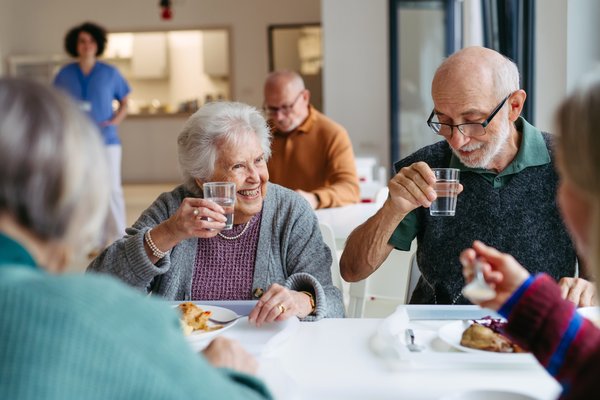
Quality matters more than quantity. A few genuine friendships often have a greater impact than a large social circle. Whether it's enjoying a weekly game, attending an educational presentation, or sharing dinner with neighbors, these consistent interactions help people feel included and valued.
Staying socially active in your 70s doesn't require filling every hour with scheduled events. Instead, it's about finding opportunities that match your interests and personality. Some people enjoy fitness classes, while others prefer reading groups, gardening, crafting, or volunteer opportunities. The best social routines are the ones you genuinely look forward to.
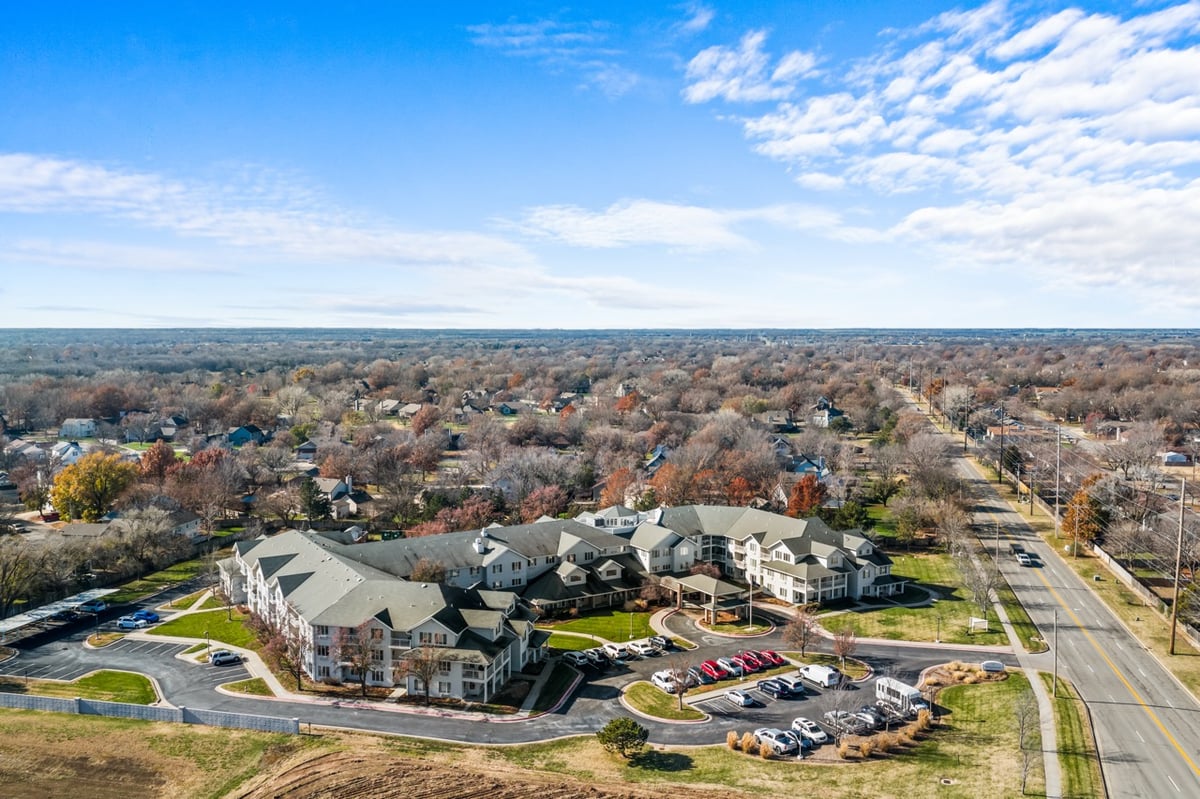
At Grassland Estates, residents have opportunities to connect naturally throughout the day. Shared dining experiences, engaging events, Health & Fitness programs, and inviting common spaces encourage conversations that often grow into lasting friendships.
Simple Ways to Build New Friendships
Making friends after moving can feel intimidating at first, especially after spending many years in the same neighborhood. Fortunately, friendships often begin with small interactions that happen naturally over time.
Here are a few ways to expand your social circle:
- Attend one new community event each week instead of trying to do everything at once.
- Invite a neighbor to share a meal or coffee after meeting them.
- Join a hobby group or educational program that matches your interests.
Technology can also help strengthen existing relationships. Video calls, family group chats, and shared online photo albums make it easier to stay connected with loved ones who live far away while continuing to build friendships close to home.
How Community Living Encourages Social Wellness
Combating loneliness after senior living becomes much easier when social opportunities are built into everyday life. At Grassland Estates, residents enjoy maintenance-free apartment homes, chef-prepared meals served in a welcoming dining room, beautifully maintained outdoor spaces, and a calendar of social wellness programs for seniors that encourages participation without pressure.
Many friendships begin during ordinary moments. You might meet someone while enjoying breakfast, attending a fitness class, participating in a hobby group, or relaxing in one of the community's comfortable gathering spaces. These everyday interactions create familiar faces that gradually become trusted friends.
Associates also help foster a welcoming environment by introducing residents with similar interests and encouraging participation in community programs. New residents are never expected to jump into everything at once. Instead, they can participate at their own pace while discovering the people and experiences that feel most meaningful.
Grassland Estates offers Independent Living with supportive services**, allowing residents to maintain the lifestyle they enjoy while having convenient access to optional third-party supportive services** if they ever choose to use them. This flexibility allows many people to focus less on household responsibilities and more on building relationships and enjoying each day.
Taking the First Step Toward Greater Connection
Overcoming loneliness rarely happens overnight. Instead, it often begins with one conversation, one shared meal, or one new experience. Those small moments build confidence, making the next step feel even easier.
If someone you love seems increasingly withdrawn, approach the conversation with empathy instead of pressure. Ask what they miss most about their previous routine or what hobbies they have always wanted to explore. Those answers often provide the best starting point for rebuilding meaningful social connections.
For many older adults, moving to a welcoming community opens the door to friendships that develop naturally through everyday life. Instead of planning every social outing, connection becomes part of the daily routine through shared meals, engaging programs, and neighbors who quickly become familiar faces.
Our Independent Living with supportive services** community is designed to support your independence while offering access to additional help only when and if you want it. A choice of third-party providers is available onsite for your convenience, but you are under no obligation to use any particular one. This flexible approach is perfect for individuals or couples with varied needs. Extend your independent lifestyle by choosing to make our community your home.
Live your days your way with trusted support. Schedule your community tour today.
**A choice of third-party providers is available onsite for convenience, but residents are under no obligation to use any particular one.