Summary
When physical limitations, isolation, and hidden family burdens grow beyond what home modifications can address, it may be time to explore community living. Recognizing when home modifications aren't enough for seniors starts with an honest assessment of daily routines, safety gaps, and overall well-being.
- Physical tasks like meal planning, household upkeep, and emergency response can't be solved with grab bars or ramps alone.
- Loneliness and social isolation can persist even in safely modified homes without regular everyday connection and community.
- Family caregivers often become overwhelmed managing meals, health visits, and constant check-ins alongside their own work and relationships.
- Successive modifications, like ramps, bathroom renovations, and stair lifts, come with costs that may rival or exceed community living expenses.
A grab bar by the tub. A ramp at the back door. A stair lift that turned a two-story house into a workable one. Changes like these can add years of independence for older adults who want to age in place.
But there often comes a point when the house is as safe as it can be, and daily life still feels harder than it should. Knowing when home modifications are not enough for seniors starts with an honest look at routines, safety, and overall well-being.
When Physical Limitations Outpace Home Adaptations
Even a thoughtfully modified home has its limits. A single-story layout with grab bars and other modifications still requires someone to cook, shop, clean, maintain the property, and handle emergencies alone. As mobility changes or everyday tasks take more effort, the difference between what the house provides and what a person needs keeps growing.
None of these concerns can be addressed with a wider doorway. Physical barriers can be removed, but planning meals, keeping up with a household, and staying on top of daily routines call for a different kind of support. These are the aging-in-place limitations that no contractor can fix.
Isolation vs. Connection
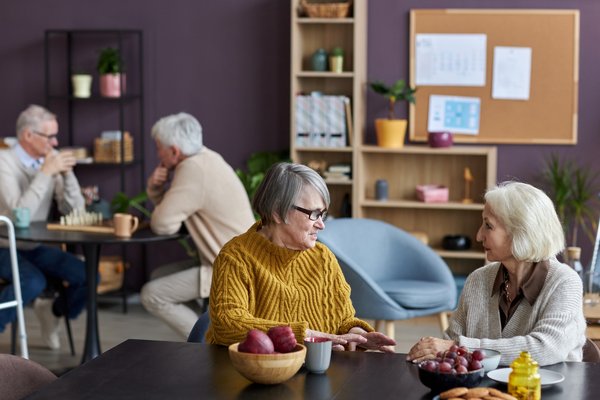
Home modifications can make a house safer, but they can’t fix loneliness. Plenty of people who age in place successfully with adaptive equipment still spend most days alone. Even regular family visits rarely replace the everyday conversation and easy company of friends and neighbors.
When someone starts turning down invitations, loses interest in hobbies, or mentions feeling lonely despite the family’s best efforts, it may be time to weigh home safety modifications vs. moving to a community.
At Grassland Estates, connection is part of the week through diverse social and recreational programs, from card games and arts and crafts groups to Health & Fitness classes and BALANCED℠ cooking demos and tastings.
The Hidden Burden on Family Members
Families often adapt a parent’s home with the best intentions, then find themselves filling the gaps those changes can’t cover. Adult children start arranging meal deliveries, scheduling home health visits, and checking in constantly. The added responsibility builds gradually, which makes it easy to miss until everyone is worn out.
When supporting life at home starts to strain a family’s work, sleep, or relationships, the arrangement has moved beyond what modifications alone can sustain. Knowing when to stop modifying your home and explore other options protects everyone involved. In a community setting, meals are prepared for you, neighbors are close by, and family visits can go back to being time together instead of a list of chores.
Emergency Response & Changing Needs
Home modifications address predictable challenges, but they can’t anticipate a sudden fall or an unexpected change. A bathroom with grab bars and non-slip flooring still carries risk if someone falls and can’t reach the phone. Many alert devices only work inside the house or need a separate base unit, which leaves a gap the moment someone steps outside.
As needs change, the accessibility limitations of aging in place become harder to work around. At Grassland Estates, residents can use Lively™ Mobile Plus, a mobile safety device that works wherever they go.
Our Independent Living with supportive services** option also offers a choice of third-party providers onsite. These include personalized home health, onsite therapies, visiting therapies, and a visiting podiatrist. Residents use them only when and if they want to.
Financial Realities of Ongoing Modifications
The cost of successive home modifications can add up quickly. A ramp installed one year may be followed by a bathroom renovation, a stair lift, or wider doorways the next, and each one needs upkeep and repairs over time.
Beyond physical adaptations, aging in place usually means paying for outside help such as:
- Lawn maintenance and yard upkeep.
- Housekeeping and deep cleaning.
- Meal preparation and grocery delivery.
- Personal assistance and companion support.
When these monthly costs approach or exceed the cost of community living, it’s worth comparing what each option actually includes. At that point, rethinking staying home in favor of senior living becomes a practical financial decision. Reviewing floor plans and pricing at Grassland Estates can make that comparison clearer.
Making the Move with Confidence
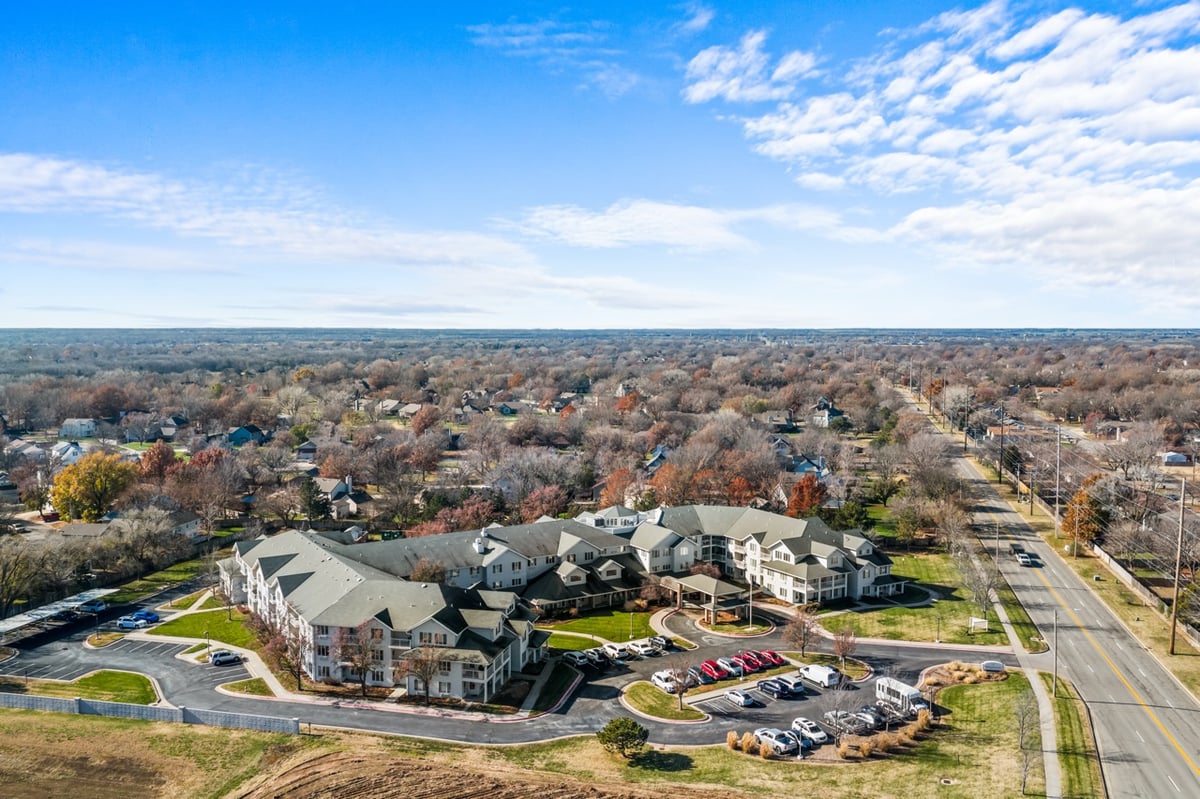
Recognizing when home modifications are not enough isn’t a failure. It simply means your needs have grown beyond what a house can provide. Grassland Estates in Wichita, KS, offers apartment homes in a quiet residential neighborhood, with support available on your terms. Schedule a personalized tour to see how life at Grassland Estates supports both your independence and your peace of mind.
A choice of third-party providers is available onsite for convenience, but residents are under no obligation to use any particular one.